

 English
Game show casino games australia have been pulling punters away from the usual reels and wheels, and the reason isn’t a fat welcome bonus – it’s how the catalogue is built. Most lobbies bury these titles in a corner, but a few operators are reorganising their shelves around them. The catalog, the search, and the way providers are tiered matter more than any promo code.
If you’re weighing up luckydreamaustralia.com against a half-dozen other AU-facing brands, the question I keep coming back to is simple: how easy is it to find a Crazy Time lobby without scrolling past 800 pokies first? That’s the real differentiator now.
What’s Actually on the Game Show Floor
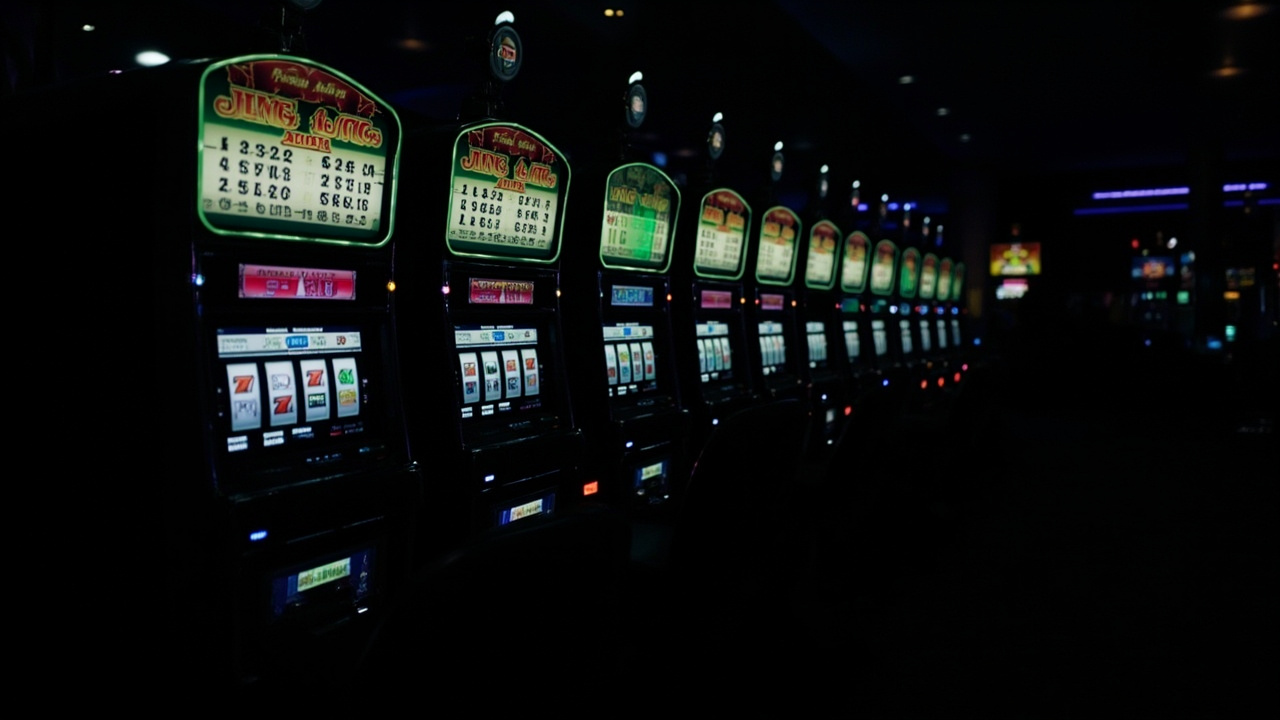
The show-style catalogue in Australia typically runs to around 30-50 live-hosted titles, with Evolution’s Crazy Time, Monopoly Big Baller, Dream Catcher and Funky Time as the headline draws, and Pragmatic Play Live pushing the rest with Mega Wheel, Boom City and Snakes & Ladders Live. Studios like BetGames and OnAir Entertainment fill the gaps with lottery-style draws and dice-led formats. After two decades auditing ecommerce catalogues, the layout here reminds me less of a casino and more of a streaming homepage: featured tiles up top, then horizontal rails sorted by volatility band, then a deep archive underneath.
Lobby filters generally split the section into “Game Shows,” “Live Casino,” and sometimes a hybrid tab that catches the bonus-wheel hybrids. Stake ladders usually start at AUD $0.20 and cap near $5,000 on the top-tier Evolution tables, which is a wider spread than most AU punters probably realise. The provider badge sits in the corner of each thumbnail, so you can isolate Pragmatic from Evolution in two clicks – handy when one studio’s stream buffers on your NBN.
Finding Games Without Faffing About
Search matters more than the lobby design itself. The better AU-facing casinos run a single search bar that returns both slots and live game shows, with provider tags and a “Recently Played” rail that sticks no matter which tab you’re on. Filters worth checking: stake range, game speed (slow for the social crowd, fast for the high-roller room), and language. Pragmatic’s local studios run English-only tables, but Evolution ships localised hosts from its Malta hub for the European-tilted lobbies.
Honestly, the worst-offending designs are the ones that hide game shows three menus deep under “More > Live > Speciality” – by the time you find the lobby, you’ve forgotten what you wanted. After auditing hundreds of these, I reckon the strongest discovery mechanic is a “Continue Playing” tile that keeps your seat warm between sessions, paired with a favourites list you can actually export. Brisbane-based players on the train home from the Gabba shouldn’t have to scroll through 40 Thai fishing games to get back to a single Funky Time round.
Why Show-Style Titles Sit in Their Own Category
Game show casino games australia represent an alternative built around different priorities. While the rest of the lobby runs on RNG math, show-style games lean on production value and pacing. Studio-grade lighting, the presenters, the side-bet ladders – these are designed for the arvo player who wants entertainment on a slow Tuesday, not for someone hunting a 10,000x slot multiplier.
“There is no comparing the rhythm of a Crazy Time spin to a standard roulette drop,” says Matilda Stewart, Head of Live Casino at Harbour Bet Insights. “Players pay for the spectacle, and the lobby needs to reflect that – burying a show-style title next to a generic live-dealer table undersells both products.”
Trivia worth noting: tarot cards were originally designed for gaming, not divination – the 15th-century Italian deck was a trick-taking card game before fortune-telling took over. Same energy as a show-style lobby.
Thomas Brown, Marketing Director at Australian Gaming Futures, adds: “When we measure session length on show-style titles, it’s roughly 40% higher than slots, but wager volume is lower. Operators who understand that tradeoff build a different loyalty path – usually cashback over free spins.”
Side Stakes and the Wider Live Catalogue
The supporting tables matter – operators who treat the show-style lobby as a destination usually also run a serious live table suite around it. The best ones group French roulette and baccarat squeezes into the same vertical, with the same “Continue Playing” tile carrying over between sessions. If you want a closer look at how fast payout French roulette compares to a show-style spin, the difference is mostly tempo, not house edge.
The show-style lobby only works if the rest of the catalogue isn’t fighting it. Stronger operators cap the slot count around 1,500-2,000 titles, knowing an overstuffed reel library cannibalises session time on live tables. The show-style category sits one tap from the deposit button.
Brisbane players streaming from South Bank usually notice the difference first in table-loading speed. Studio feeds run at 4-6 Mbps with adaptive bitrate, so a 4G signal on the Clem7 tunnel can knock the stream to 480p for a few seconds before recovery. A decent AU-facing lobby copes by caching the bet slip locally and re-uploading once the stream is back.
Pulling the threads together – if the show-style lobby is the reason you sign up, the rest of the catalogue and the search mechanics matter more than the headline bonus. Test the search bar with a known title, scan the provider tags, and check the bet slip handles a flaky mobile signal before you commit a real deposit. No dramas, but that catalogue-first checklist is defo worth running.
- Stake ladder – the minimum-to-maximum bet range a live table accepts per round.
- Provider badge – a small studio label in the corner of each game tile, used to filter by software supplier.
- Side-bet ladder – a hierarchy of optional bonus wagers layered on top of the main game round.
- Adaptive bitrate – a streaming technique that lowers video quality to keep the feed stable on weaker connections.
- Continue Playing tile – a persistent lobby shortcut that reopens the last table you played at.